Dehradun
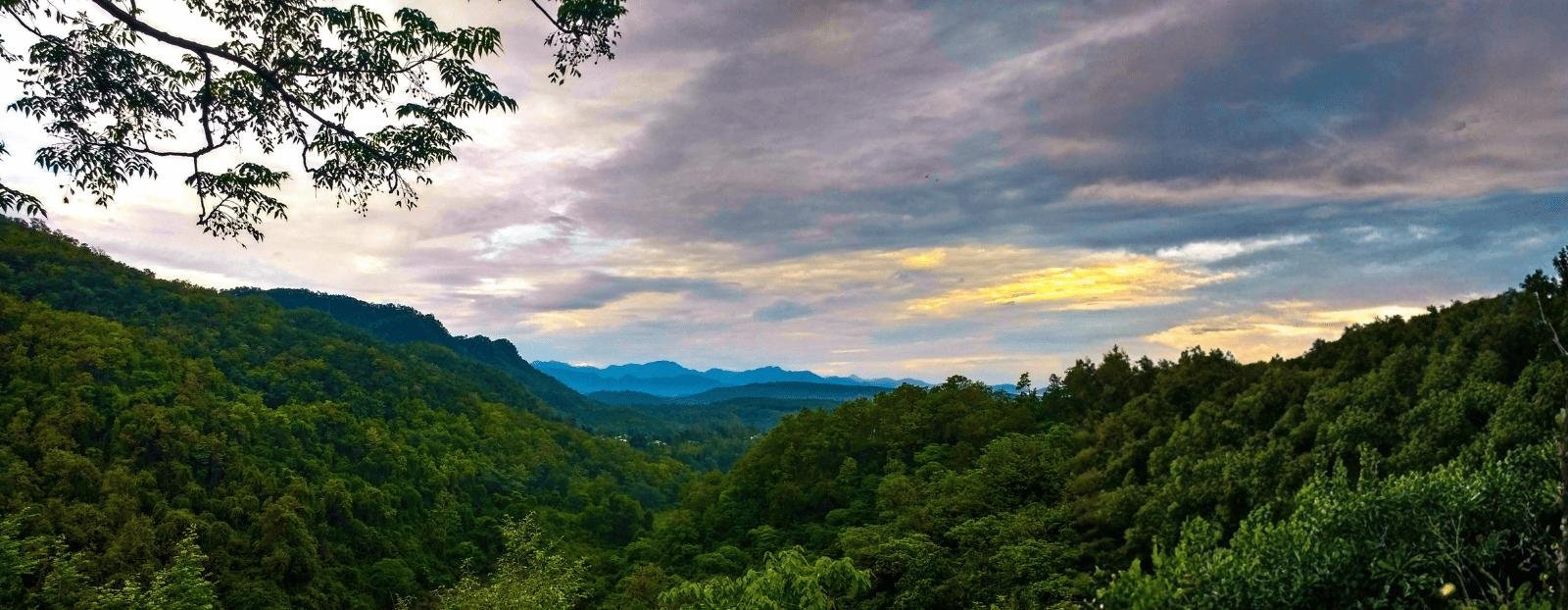
Nestled between the majestic Himalayas and the Shivalik ranges, Dehradun has always been more than just a destination. It is a valley where ancient forests, colonial heritage, military traditions, and nature have peacefully coexisted for centuries.
Long before it became the capital of Uttarakhand, the Doon Valley was home to dense sal forests, flowing rivers, thriving wildlife, and communities whose lives revolved around the forests. Today, traces of that timeless charm still remain, waiting to be discovered.
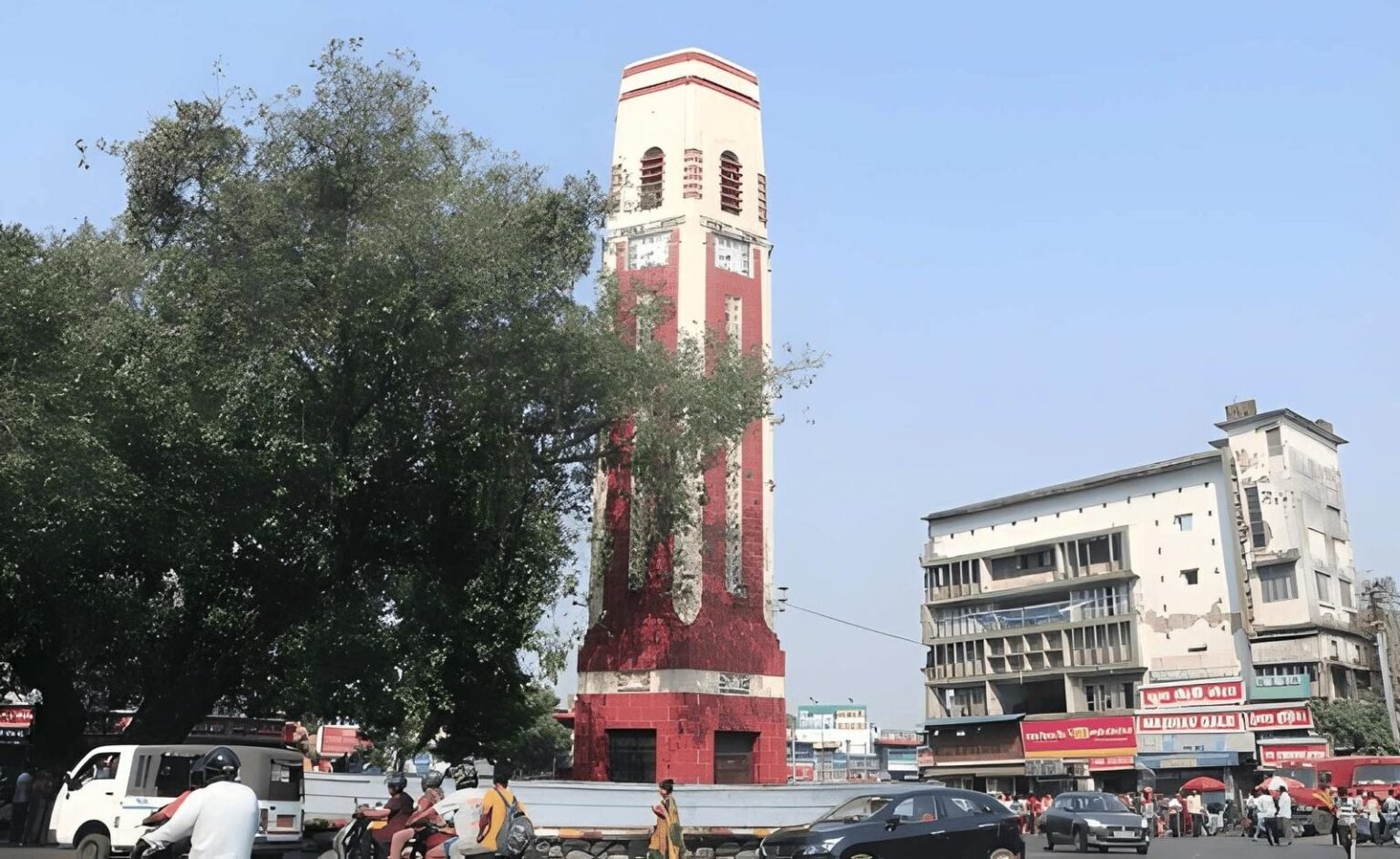
The Evolution of Dehradun
The story of Dehradun stretches across centuries.
- Ancient forests and settlements flourished in the fertile Doon Valley.
- The valley finds mention in the Mahabharata and is believed to have been associated with Guru Dronacharya, from whom “Dehradun” derives its name.
- During the British era, Dehradun evolved into an important military cantonment and educational hub.
- Institutions like The Doon School, Forest Research Institute, and the Indian Military Academy helped shape the city’s identity.
- Today, Dehradun remains one of India’s greenest cities, a gateway to the Himalayas where heritage and nature continue to thrive together.
From MFR
Some of the valley’s most iconic destinations are just a short drive away.
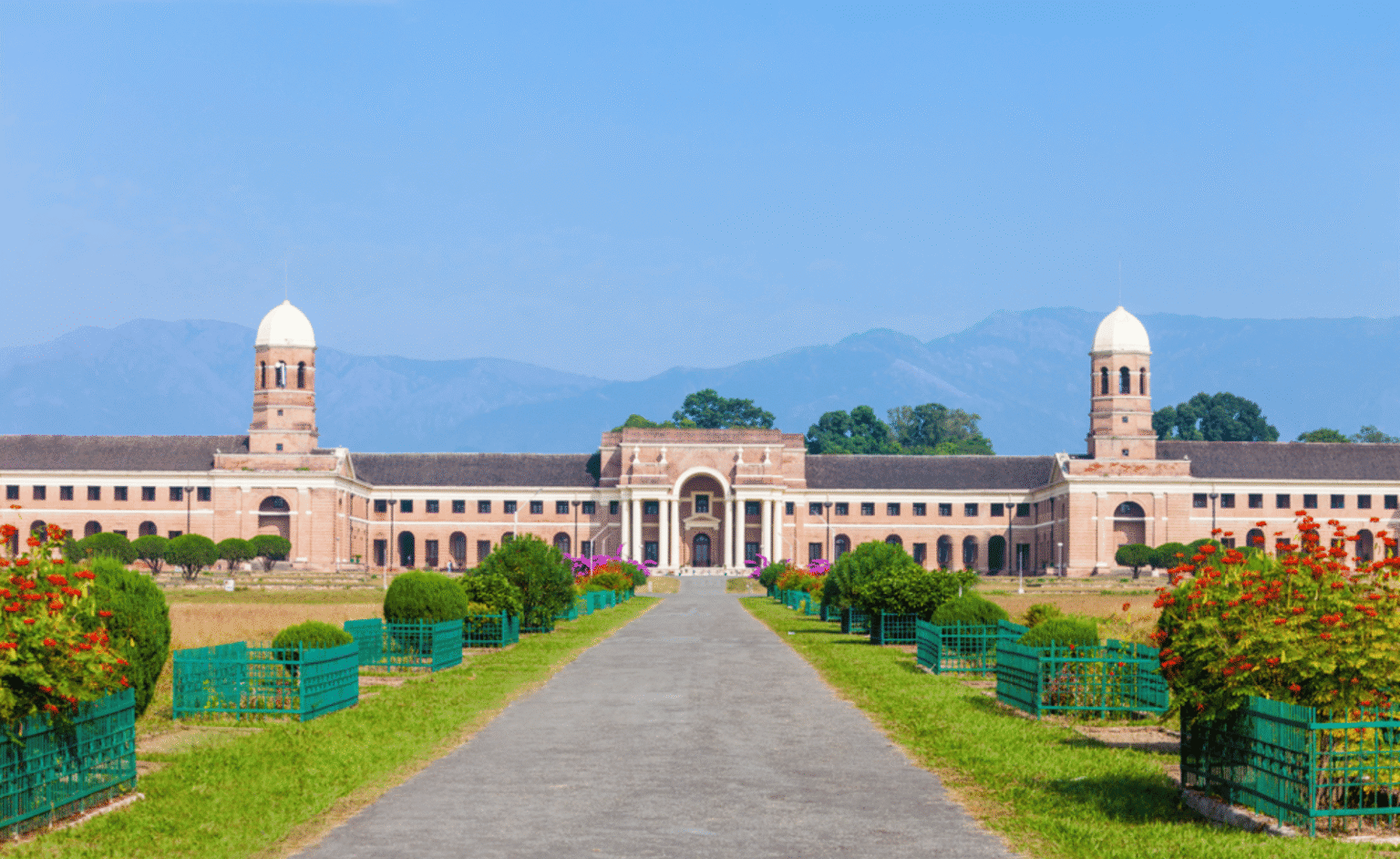
- Forest Research Institute, One of India’s finest examples of Greco-Roman architecture.
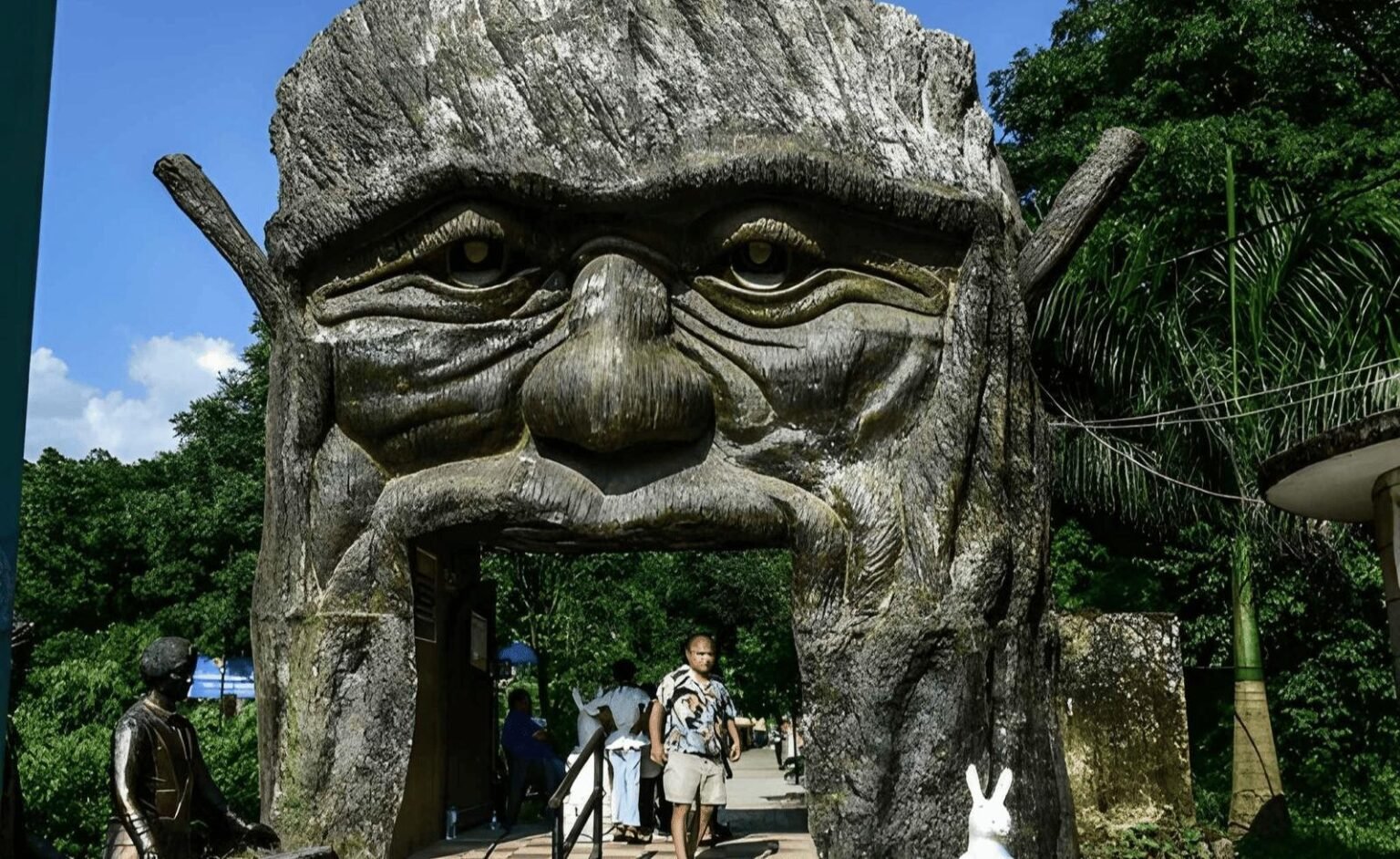
- Robber’s Cave, A fascinating river cave hidden beneath limestone formations.
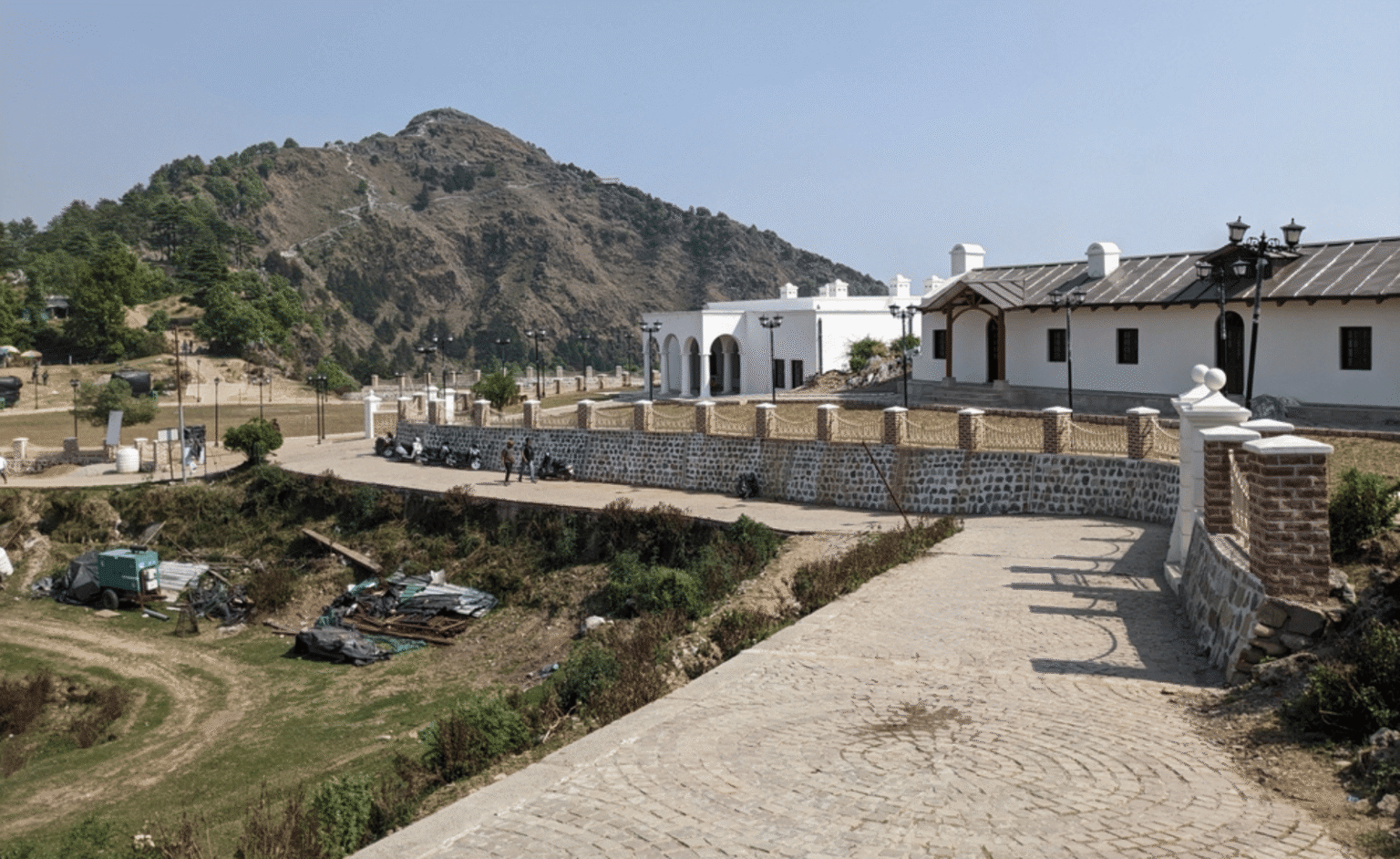
- George Everest House, Home of Sir George Everest, overlooking breathtaking Himalayan vistas.
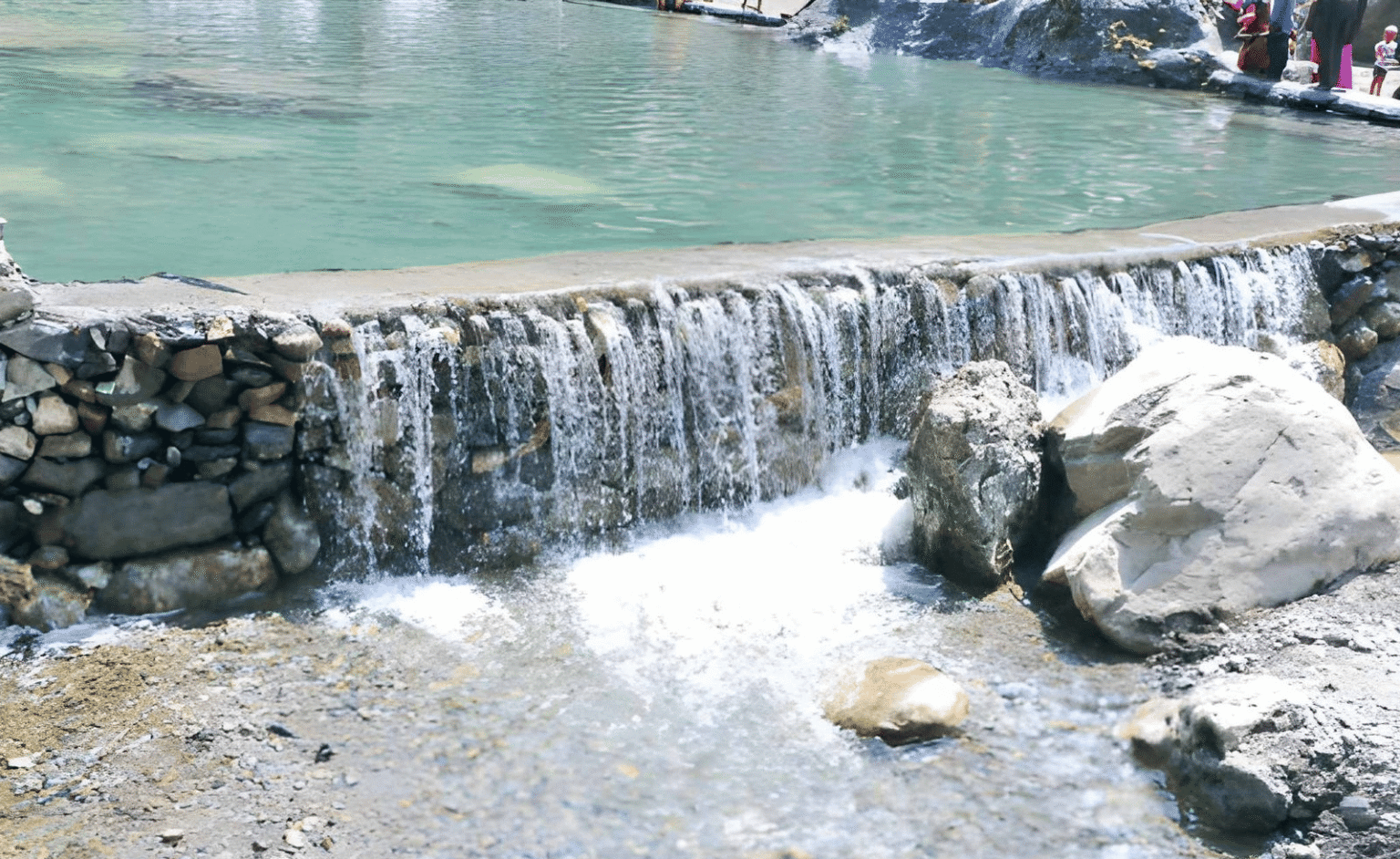
- Sahastradhara, Known for its sulphur-rich springs and scenic surroundings.
- Tapkeshwar Temple, An ancient cave temple dedicated to Lord Shiva.
- Malsi Deer Park, A peaceful nature park ideal for families.


Where Mike's Forest Retreat Fits Into This Story
- While Dehradun continued to grow around it, this corner of the valley quietly remained what it always was, a forest.
- Spread across 23 acres, Mike’s Forest Retreat preserves that rare connection with the original landscape of the Doon Valley.
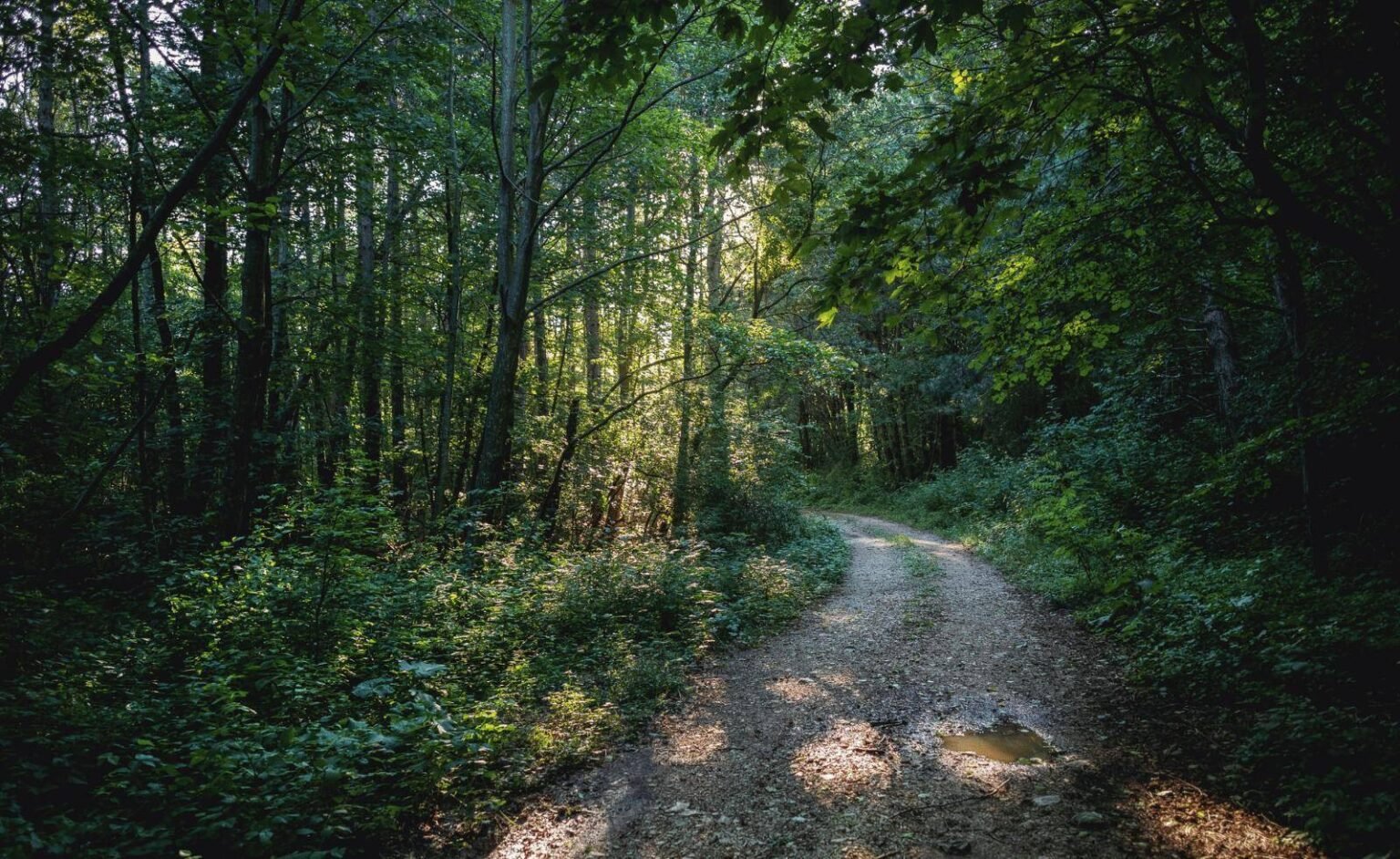
- Towering sal trees, winding forest trails, seasonal streams, native birdlife, fruit orchards, and thoughtfully designed spaces come together to offer something increasingly rare: silence.
- Rather than changing the forest, the retreat was carefully created to belong to it.
- Every room, pathway, sit-out, and open space has been designed to celebrate the valley’s natural character while offering modern comforts.
- At MFR, you don’t simply visit Dehradun, you experience the valley much like it has existed for generations.
Mapping the Valley
- One fascinating historical reference is the beautifully hand-drawn Map of the Doon Valley created by J. A. K. Martyn and Gibson for The Doon School faculty. The map captures the valley’s rivers, forests, villages, landmarks, and landscape with remarkable detail, offering a glimpse into how Dehradun was understood and appreciated decades ago.
- Inspired by this artistic cartographic tradition, MFR’s own illustrated estate map can become a modern interpretation—inviting guests to wander not just through a property, but through stories, nature, and history.